Business
Morning in America, twilight in the markets
By Katherine Langford
Advertisement · Why this ad?
Marcus manages the day-to-day editorial workflow across all brands, coordinating coverage assignments and ensuring editorial standards are met. He previously served as city editor at the Pioneer Press and holds a degree in Political Science from Carleton College.
More from Marcus →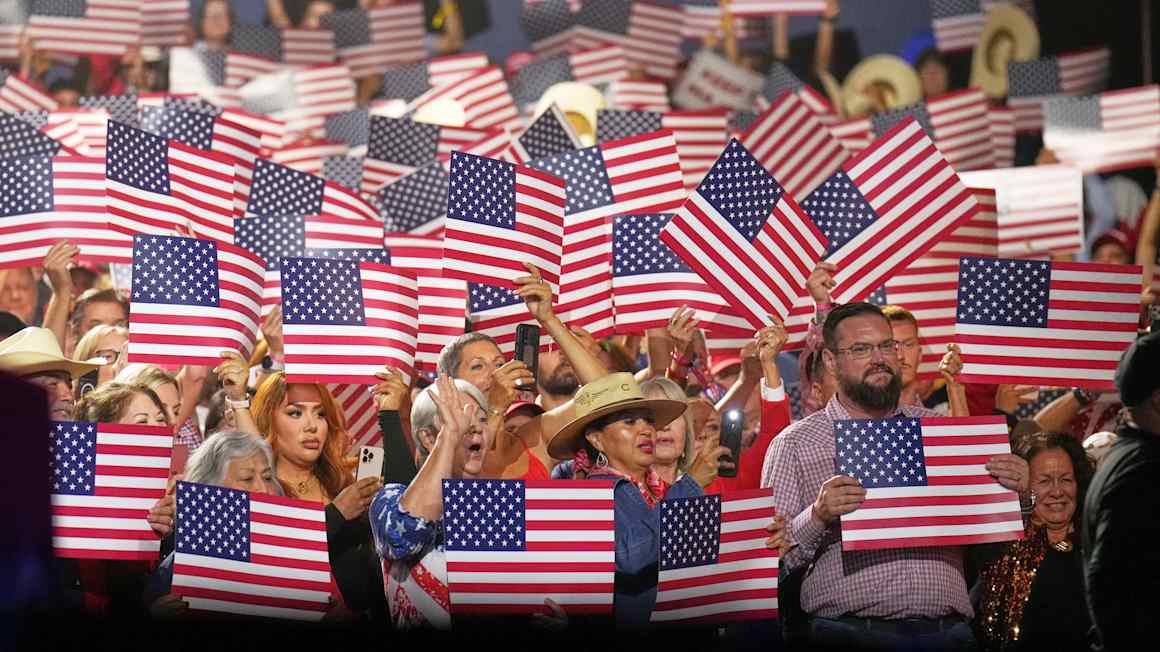
As the sun set over New York City, casting a warm glow on the bustling streets, conversations turned to the future of American leadership. In coffee shops, diners, and living rooms, the 2028 presidential race is already taking shape, with both the Republican and Democratic parties positioning themselves for a battle that promises to be fierce and transformative.
The 2028 presidential race is officially underway, with potential candidates from both major parties stepping into the spotlight. While the 2024 elections are still fresh in voters' minds, party leaders and grassroots activists are already strategizing for the next cycle. The early positioning highlights the urgency and significance of the upcoming elections, as both parties seek to rally support and define their platforms.
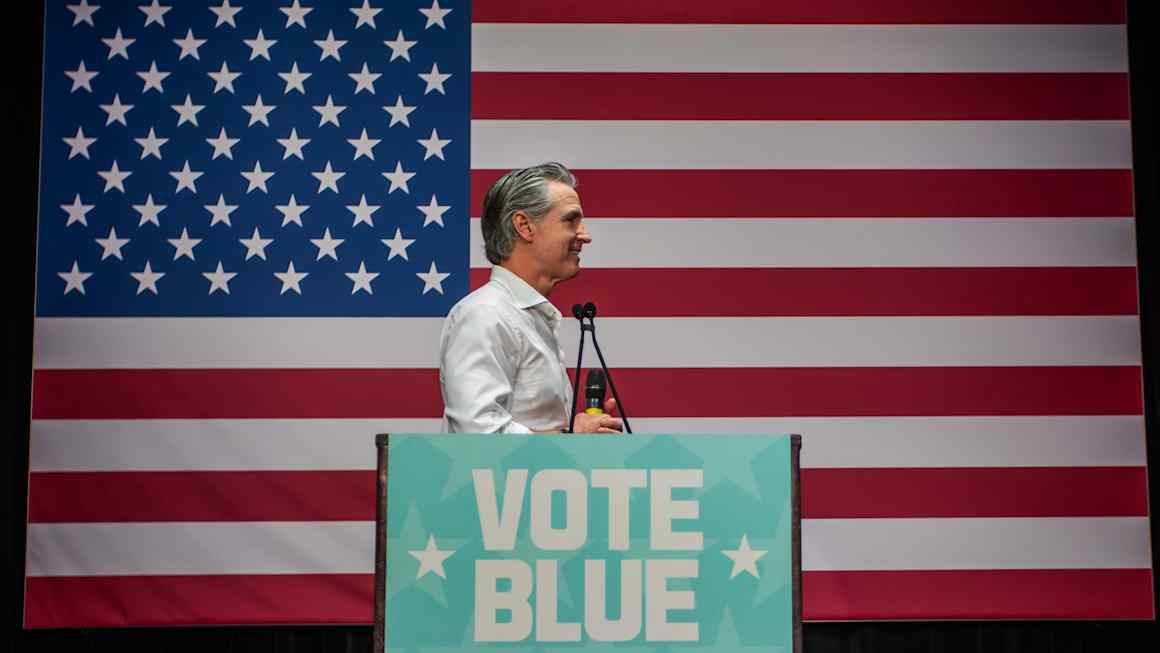
Republicans are keenly aware of the shifting political landscape and the need to appeal to a broader base. Names like former Vice President Mike Pence and Florida Governor Ron DeSantis are emerging as frontrunners, each bringing their own vision of conservatism to the table. Meanwhile, Democrats are looking to capitalize on their recent successes, with figures like California Governor Gavin Newsom and Michigan Governor Gretchen Whitmer garnering attention as potential candidates.
The stakes are high, as the next president will face pressing issues such as economic recovery, climate change, and social justice. Both parties understand that they must resonate with voters' concerns and aspirations, making the groundwork laid now critical for their success in 2028.
In neighborhoods across NYC, residents are already expressing their thoughts on the upcoming presidential race. Many are eager for a candidate who can unite the country and address the issues that matter most to them. “We need someone who understands the challenges we face daily,” said Maria Gonzalez, a Bronx resident and community organizer. “It’s not just about party lines; it’s about real solutions.”
Local community leaders are also weighing in, emphasizing the importance of grassroots movements in shaping the political landscape. “The power of the people is undeniable,” noted James Lee, a community activist in Brooklyn. “Candidates need to listen to us, not just during election season but year-round.” This sentiment reflects a growing desire for authentic engagement and accountability from those seeking office.
As discussions unfold, the role of family values and community commitment remains central to many voters' priorities. “Strong families are the backbone of our society,” stated Eleanor Hughes, a retired teacher from Queens. “We need leaders who understand that.” This emphasis on family and community resonates deeply in a city known for its diversity and resilience.
As we look ahead to the 2028 presidential race, it’s clear that both parties will need to adapt to an evolving political landscape. Voter demographics are shifting, and issues such as healthcare, education, and economic inequality are at the forefront of public discourse. Candidates must not only articulate their visions but also connect with voters on a personal level.
The Republican Party faces the challenge of balancing traditional conservative values with the need to appeal to younger voters who prioritize social issues. On the Democratic side, the focus will likely remain on progressive policies that address systemic inequalities. The ability to navigate these complexities will be crucial for candidates hoping to secure their party's nomination.
Campaign strategies will evolve as candidates begin to outline their platforms and engage with voters. Expect town halls, community forums, and digital outreach to play significant roles in shaping public perception. The emphasis will be on transparency and authenticity, qualities that resonate with today’s electorate.
Moreover, the role of social media cannot be underestimated. Candidates will need to harness platforms like Twitter and Instagram to connect with voters, particularly younger demographics who are increasingly influential in elections. Building a strong online presence will be essential for any candidate hoping to gain traction in this competitive landscape.
In New York City, where the political landscape is as diverse as its population, engaging with local communities will be critical for candidates. Local issues such as housing affordability, public transportation, and education reform are top of mind for many residents. Candidates who can effectively address these concerns will likely gain a significant advantage.
Local organizations, such as the New York City Housing Authority and various community development groups, are already mobilizing to ensure that their voices are heard in the upcoming elections. “We want to see candidates who are committed to addressing the housing crisis,” said Linda Tran, a housing advocate in Manhattan. “Affordable housing is not just a talking point; it’s a necessity for many families here.”
Furthermore, the influence of immigrant communities in NYC cannot be overlooked. Many voters are looking for candidates who will advocate for their rights and address issues such as immigration reform and access to healthcare. “We need leaders who will stand up for us, who understand our struggles,” said Ahmed Khan, a community leader representing various immigrant groups. “Our voices matter, and we will make sure they are heard.”
As we move closer to the 2028 elections, the political landscape will continue to shift. Candidates will need to develop clear and actionable plans to address the pressing issues facing their constituents. The next few years will be pivotal in shaping the narratives that will dominate the election cycle.
Moreover, the role of debates and public forums will become increasingly important as candidates vie for attention and support. These platforms will provide opportunities for voters to hear directly from candidates about their positions on key issues. “Debates are crucial for voters to make informed decisions,” noted political analyst Sarah Thompson. “They allow candidates to showcase their policies and respond to tough questions.”
In addition, the influence of campaign financing and endorsements will play a significant role in determining which candidates can sustain their campaigns. Grassroots fundraising efforts, along with support from influential political figures, will be essential for candidates hoping to gain traction in a crowded field.
The race for the Oval Office in 2028 is just beginning, but the implications for New York City and the nation are profound. As candidates position themselves and engage with communities, the focus must remain on the values that unite us—family, commitment, and a shared vision for a better future. With the groundwork being laid now, the next few years will be critical in shaping the direction of American politics.
By Katherine Langford

By Marcus Chen
By Marcus Chen
By Marcus Chen